KPV Peptide: A Potent Solution for Reducing Stomach Inflammation
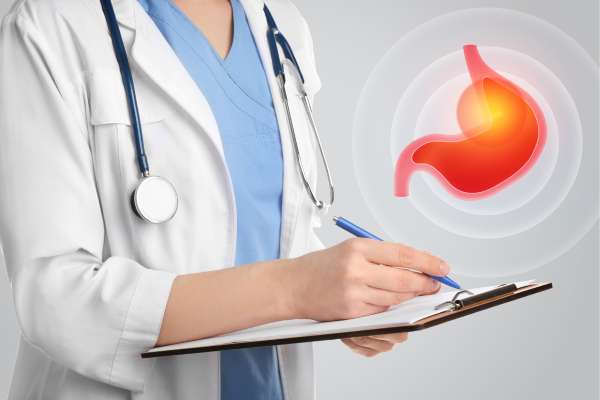
Stomach inflammation, or gastritis, is a common issue plaguing a significant portion of the global population. This condition, characterised by swelling, irritation, or inflammation of the stomach lining, can trigger a variety of symptoms – from mild indigestion to severe abdominal pain, nausea, and vomiting. If left untreated, gastritis can lead to serious complications, including stomach ulcers and an increased risk of stomach cancer.
A potential solution to this pervasive issue lies in the realm of peptide biochemistry. One particular peptide, known as KPV, has shown promising results in combating stomach inflammation. KPV, a tripeptide consisting of the amino acids Lysine-Proline-Valine, has emerged as a promising therapeutic agent due to its potent anti-inflammatory properties. In the following sections, we will delve deeper into the effectiveness and potential of KPV peptide as a solution for reducing stomach inflammation.
High quality KPV peptides are available to buy online from Direct Sarms America
Understanding KPV Peptide
Origin and Structure of KPV Peptide
The KPV peptide is derived from alpha-melanocyte-stimulating hormone (α-MSH), a crucial hormone involved in regulating a wide range of bodily functions including inflammation and immune responses. The structure of KPV is quite simple yet powerful. It is a tripeptide, consisting of three essential amino acids: Lysine (K), Proline (P), and Valine (V). This specific combination gives KPV its unique properties and potential therapeutic benefits.
Role of KPV in the Human Body
KPV plays a pivotal role in the human body due to its versatile potential in combating inflammation. Its anti-inflammatory effects are primarily based on its ability to inhibit the production of pro-inflammatory cytokines, proteins that contribute to the inflammatory processes in the body. Additionally, KPV has been found to promote the production of anti-inflammatory cytokines, further enhancing its ability to reduce inflammation. This dual action makes KPV peptide vial from Direct Sarms America a potent agent in the fight against various inflammation-related conditions, including gastritis.
KPV Peptide and Stomach Inflammation
The integral connection between KPV peptide and stomach inflammation can be traced back to the peptide’s potent anti-inflammatory properties. KPV exhibits a unique ability to modulate the body’s natural inflammatory response, particularly within the stomach lining, thus making it a potential therapeutic candidate for gastritis.
Mechanism of KPV in Reducing Stomach Inflammation
KPV’s function in reducing stomach inflammation lies in its ability to regulate cytokine production. Pro-inflammatory cytokines, responsible for promoting inflammation, are kept in check by KPV. Additionally, it stimulates the production of anti-inflammatory cytokines, which effectively counteract the inflammatory processes. This combined action helps alleviate the swelling, irritation, and inflammation characteristic of gastritis. Furthermore, KPV has been found to protect the stomach lining from damage by inhibiting certain enzymes that contribute to the degradation of the stomach’s protective mucosal barrier, which can further exacerbate inflammation.
Research on KPV’s Effectiveness Against Stomach Inflammation
There have been several America studies that underscore the effectiveness of KPV in reducing stomach inflammation. In a research study published in the “Journal of Pharmacology and Experimental Therapeutics,” KPV was found to significantly reduce inflammation and damage in the stomach lining of rats subjected to gastritis-inducing conditions. Another study in the “European Journal of Pharmacology” revealed that KPV pre-mixed peptide from Direct Sarms America could effectively inhibit the production of pro-inflammatory cytokines, contributing to reduced inflammation in the stomach. These studies provide compelling evidence of KPV’s potential as a viable solution for reducing stomach inflammation.
Comparing KPV Peptide with Other Solutions
One can compare the effectiveness of KPV peptide as a solution for reducing stomach inflammation with other commonly used treatments, including nonsteroidal anti-inflammatory drugs (NSAIDs), proton pump inhibitors (PPIs), and H2 blockers.
Nonsteroidal Anti-Inflammatory Drugs (NSAIDs)
NSAIDs, such as ibuprofen and aspirin, are often used to manage inflammation and pain. However, they can also cause stomach irritation and ulcers when used for long periods or in high doses. On the other hand, KPV peptide modulates the body’s inflammatory response without the potential for causing such side effects.
Proton Pump Inhibitors (PPIs)
PPIs work by reducing the production of stomach acid, which can contribute to inflammation. However, their long-term use can lead to nutrient deficiencies and increased risk of certain infections due to reduced stomach acid. KPV nasal peptide from Direct Sarms America, with its potent anti-inflammatory properties, does not interfere with stomach acid production, thus avoiding such complications.
H2 Blockers
H2 blockers also reduce stomach acid production but have been linked with various side effects including headaches, constipation, and vitamin B12 deficiency. Unlike these, KPV peptide targets inflammation directly and does not lead to these side effects.
Advantages of Using KPV Peptide Over Other Solutions
- Targeted action: KPV peptide specifically targets the inflammatory response, unlike other treatments that reduce stomach acid production.
- Fewer side effects: Compared to other treatments, KPV peptide does not lead to side effects such as stomach irritation, nutrient deficiencies, or increased risk of infections.
- Protective effect: KPV peptide can protect the stomach lining from damage, a feature not typically seen with other treatments for stomach inflammation.
- Potential for preventative use: Due to its protective and anti-inflammatory properties, KPV peptide could potentially be used as a preventative measure against stomach inflammation, extending its benefits beyond mere treatment of existing conditions.
- Natural origin: As a peptide derived from a hormone naturally present in the body, KPV offers a more natural approach to managing stomach inflammation compared to synthetic drugs.
How to Incorporate KPV Peptide
KPV Peptide can be incorporated into your daily health regimen with advice from your America healthcare professional. As with any supplement, it’s crucial to follow the recommended dosage and intake instructions to ensure safety and effectiveness.
Potential Side Effects and Precautions
- Allergic Reactions: Although rare, some individuals may experience an allergic reaction to KPV Peptide. Symptoms can include rash, itching, or difficulty breathing. If you experience any of these symptoms, discontinue use immediately and seek medical attention.
- Interactions with Other Medications: KPV Peptide may interact with certain medications. It’s crucial to inform your healthcare provider of any medications or supplements you’re currently taking.
- Pregnancy and Breastfeeding: The safety of KPV Peptide for pregnant or breastfeeding women has not been comprehensively studied. Therefore, it is best to consult with your healthcare provider before using this supplement if you are pregnant or breastfeeding.
- Individual Health Conditions: People with specific health conditions should consult their America healthcare provider before starting any new supplement regimen, including KPV Peptide.
Conclusion
In synthesizing the gathered information, the importance and effectiveness of KPV peptide in managing stomach inflammation is irrefutable. The scientific research and comparative analyses underscore its potential as a potent solution for this common health concern, particularly due to its direct and targeted action against inflammation, limited side effects, protective qualities, and natural origins. KPV peptide stands out for its ability to not only treat but also possibly prevent stomach inflammation, providing a positive outlook for its future application.
We encourage you to consider the incorporation of KPV peptide into your health regimen, particularly if you are grappling with stomach inflammation problems. However, always remember to consult with your America healthcare provider to ensure the dosage, intake method, and consistency of use are optimised for your specific health conditions. Embrace KPV peptide as a potential game-changer in your pursuit of better gastrointestinal health and overall well-being.
References
[1] https://academic.oup.com/ibd journal/article/14/3/324/4653598
[2] https://www.sciencedirect.com/ science/article/abs/pii/S00225347 13057558
[3] https://www.ncbi.nlm.nih.gov/ pmc/articles/PMC3403564/
[4] https://www.ncbi.nlm.nih.gov/ pmc/articles/PMC4130143/
Disclaimer: We do not supply sarms or peptides to any individual under the age of 21. You must be a licensed and qualified healthcare practitioner. Our team of dedicated professionals are committed to providing an extensive range of products used ONLY in the process of laboratory research by responsible trained and professional individuals. All products listed on this website (direct-sarms.com) and provided through Direct Sarms are intended for laboratory research purposes only. The products listed on this website are NOT for human or animal consumption or ingestion of any kind.